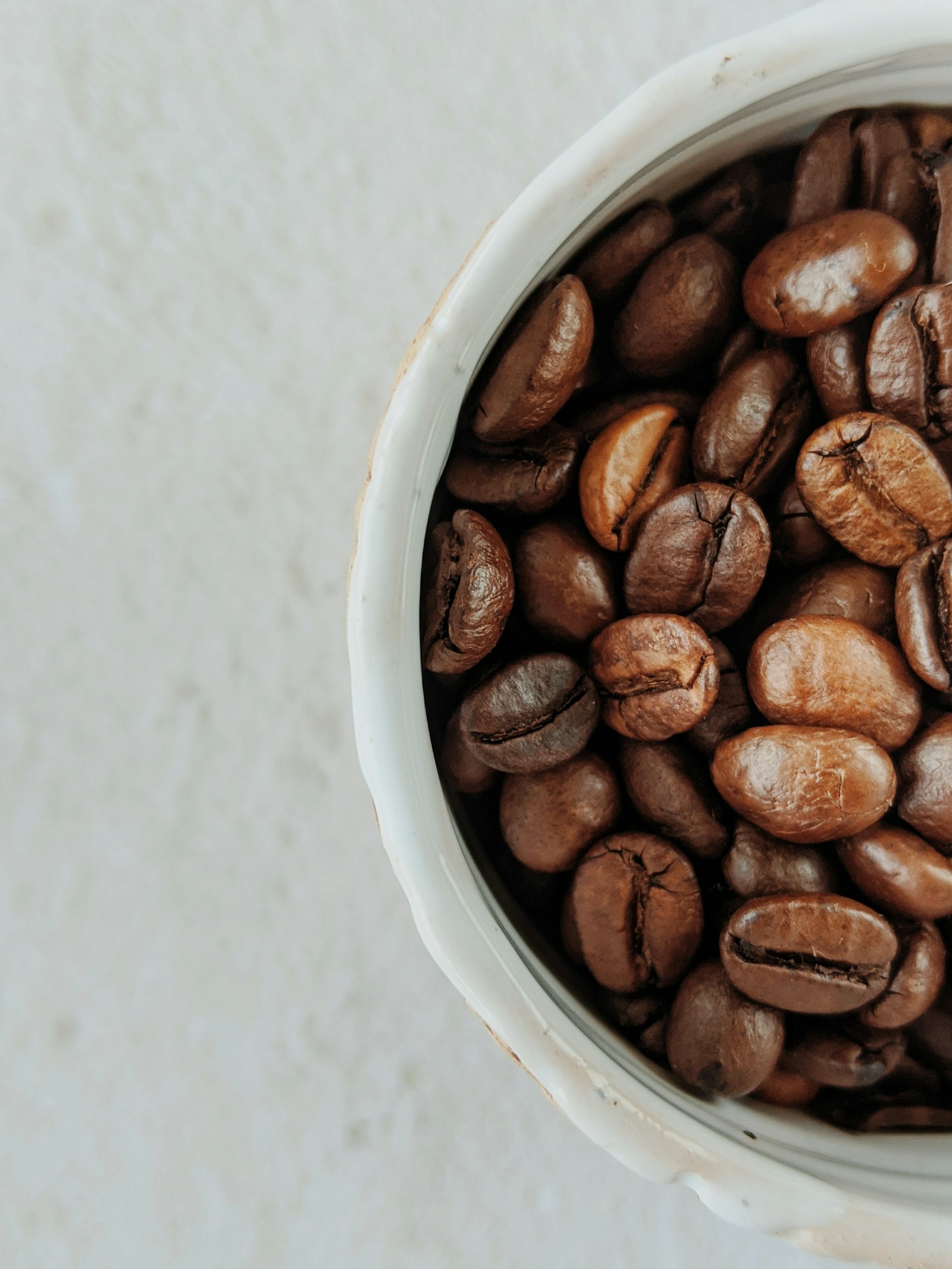
Three departments. One microclimate. The geography that makes Colombian washed coffees some of the cleanest, most balanced cups on earth.
The Eje Cafetero — the Coffee Axis, or Coffee Triangle — is not a marketing invention. It is a specific place: the departments of Caldas, Risaralda, and Quindío, draped over the Central Andes at elevations between 1,200 and 2,000 meters, where the mountains collect cloud cover from both the Pacific and the Caribbean, and where the soil is a product of volcanic activity that has been depositing minerals into the hillsides for ten thousand years.
Colombia produces more washed Arabica than almost anywhere on earth. The Triangle is the reason the world associates Colombia with coffee at all. But the more interesting question isn't why Colombia became famous — it's what makes this specific triangle of geography produce cups that are so reliably, almost stubbornly, clean.
The Geography of Balance
The Andes in this region run north–south in three parallel chains — the Western, Central, and Eastern Cordilleras. Between them flow two major rivers, the Cauca and the Magdalena, and the valleys they've carved create microclimates of extraordinary diversity. A farm at 1,400 meters on the western slope of the Central Cordillera experiences different rainfall, temperature, and cloud cover than a farm at 1,800 meters on the eastern slope — sometimes just 20 kilometers away.
What the Triangle shares across all of these microclimates is a bimodal rainfall pattern: two rainy seasons and two dry seasons per year, which means two harvests. This is unusual in global coffee terms, and it has an important consequence: the Triangle never floods the global market with a single annual harvest. Supply is steadier. Farmers plan differently. And the cherries, ripening in two separate seasons, develop under two distinct sets of conditions — which adds a dimension of complexity that single-harvest origins can't replicate.
Two harvests. Two seasons. Two chances per year to get it exactly right — and two chances to learn from what went wrong.
The Varieties: Castillo and Caturra
The dominant varieties in the Triangle are Castillo and Caturra, both of which were developed or selected for their resistance to coffee leaf rust — the fungal disease that devastated Colombian farms in the 1980s and forced a decades-long rethinking of how coffee is grown here.
Caturra, a natural dwarf mutation of Bourbon, produces a cup known for its bright, citrus-forward acidity and medium body. Castillo, a hybrid developed by Colombia's national federation Cenicafé, trades some of that brightness for disease resistance and consistency. In the best farms, the two are planted in complementary rows — Caturra at higher elevations where disease pressure is lower, Castillo at mid-elevations where rust is a greater risk.
The resulting cup is what Colombian coffee is known for: mild, clean, balanced. Bright enough to be interesting, smooth enough not to challenge. Not the most complex coffee in the world, but arguably the most universally approachable — and, at its best, genuinely beautiful in its precision.
The Washed Process: Colombia's Signature
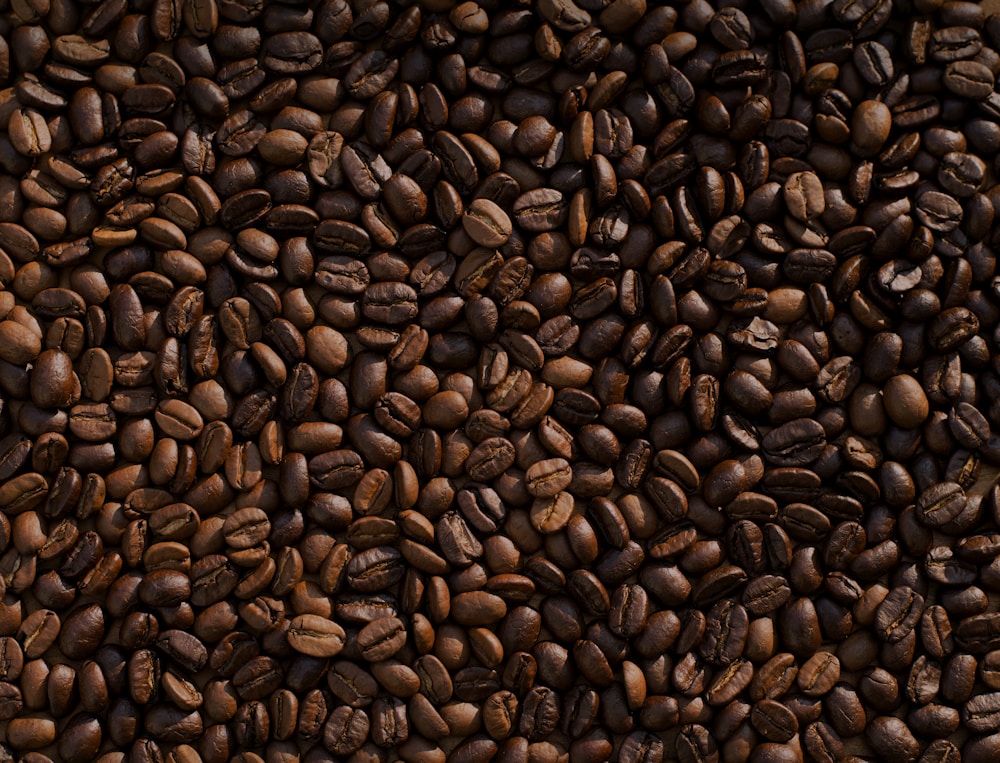
Nearly all specialty coffee from the Triangle is fully washed. After selective hand-picking — only ripe red cherries — the fruit is depulped on the day of harvest, fermented in tanks for 12 to 36 hours, then washed with fresh mountain water and dried on raised beds or mechanical dryers.
The washed process is not simply a technical step. It is a philosophy. By removing the fruit before fermentation can influence the seed, the farmer is saying: taste the bean, not the process. The origin speaks for itself. This stands in contrast to natural or honey processing, where the fruit ferments against the bean for days or weeks and deposits layers of fruit-derived sweetness that can obscure the underlying coffee character.
A well-processed Colombian washed from the Triangle should be transparent in exactly the way a well-made photograph is transparent — you see the subject, not the camera.
What We Look For
When we cup Colombian coffees for sourcing, we're looking for a specific convergence: brightness that is sharp but not aggressive, sweetness that reads as brown sugar or stone fruit rather than syrup, and a body that's medium enough to carry the flavors without overwhelming the cup's clarity. We want a finish that fades cleanly, without bitterness or astringency.
We also look at altitude and specific municipality. A Manizales coffee from Caldas — grown at 1,800 meters in volcanic soil — will drink differently than a Pereira coffee from Risaralda at 1,400 meters. Both are "Colombian Coffee Triangle." Neither is interchangeable.
Colombia is not a flavor. It is a geography — and geography, when you trace it carefully enough, is a story told one cup at a time.
The Triangle earned its reputation over a century of careful farming, cooperative structure, and investment in processing infrastructure. When you find a Colombian that is exceptional — when the balance tips from merely clean to genuinely alive — you're tasting all of that history converging in a single harvest, on a single hillside, in a single season.
That's what we're chasing. That's why we keep coming back.