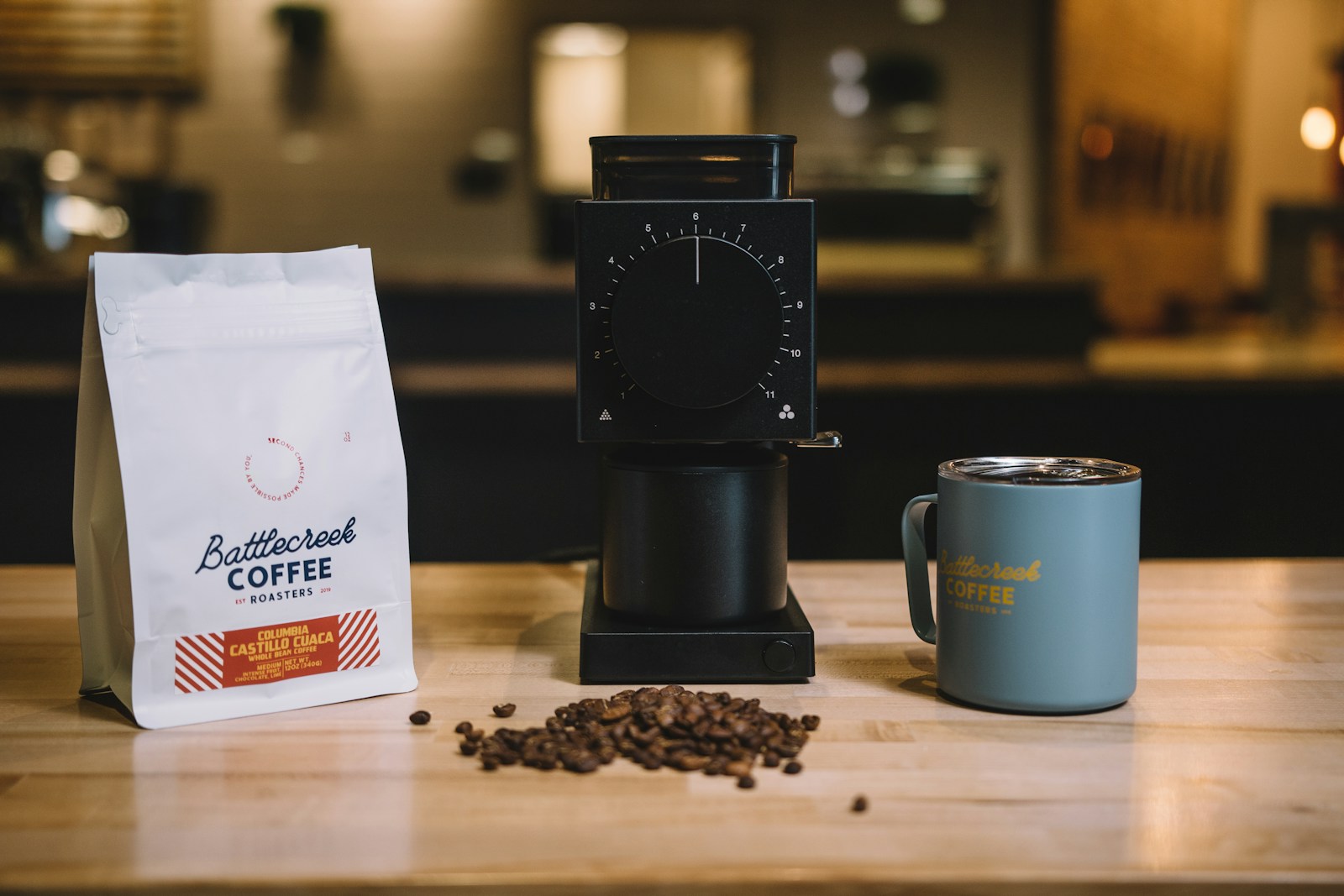
Coffee is a fruit. It has seasons. Understanding the harvest calendar — and why freshness windows matter — is the single most overlooked variable in home brewing.
Most people think about coffee the way they think about salt. It's a pantry staple, shelf-stable, available year-round, indifferent to when you buy it. The bag in your cabinet might be from last November or last Tuesday — the date doesn't seem to matter the way it does with strawberries or corn.
This is the foundational misunderstanding of specialty coffee, and it's costing you every single morning.
Coffee is a cherry. It grows on a tree, ripens over months, is harvested in a narrow window, and begins its long decline the moment it leaves the farm. Every step between that cherry and your cup — milling, export, transit, importation, resting, roasting, degassing, packaging, shipping to you — takes time. The question is not whether coffee can still taste good after all of that. It can. The question is: when is it best? And how do you make sure you're drinking it then?
The Global Harvest Calendar
Coffee grows in a band around the equator, and because the equatorial seasons vary by hemisphere and altitude, harvest times differ significantly by origin. This means fresh coffee is, in theory, available from somewhere on earth nearly year-round — but not from the same place year-round.
Ethiopia and East Africa harvest primarily October through January. Central and South America — Colombia, Guatemala, Costa Rica — run roughly November through March, with Colombia's bimodal system producing a secondary harvest in May through August. Brazil, the world's largest producer, harvests April through September. Indonesia and the Pacific harvest April through October.
Understanding these windows matters because the journey from harvested cherry to roasted bag takes four to eight months — longer for some origins requiring extended milling, export paperwork, sea freight, and pre-roast resting. A bag of Ethiopian coffee sitting on a shelf in March was likely harvested the previous October at the earliest. A bag of Brazil from the same shelf might be from a crop harvested the prior May — now approaching a year old as green beans, before roasting began.
Age is not equally distributed across the coffee supply chain. Knowing where to look for it is half the discipline of buying well.
Crop Year vs. Roast Date
Specialty roasters print roast dates on bags because roast date is a meaningful freshness signal. The standard recommendation — drink coffee within 2 to 4 weeks of the roast date — is sound as far as it goes. But it only addresses one part of the freshness equation.
A bag roasted last week from green coffee that arrived at the roastery ten months after harvest is still ten months old at the source. The roast date tells you the coffee is fresh from the roaster. It doesn't tell you when the cherry was picked. For that, you need the crop year — and the best roasters list it.
Crop year matters because green coffee also ages. Stored well — at stable temperature, low humidity, sealed — green coffee can hold its character for 12 to 18 months with minimal degradation. But beyond that window, the cup begins to taste flat, woody, and thin, regardless of how recently it was roasted. The Maillard reaction cannot recover flavor that was lost at the green stage.
What "New Crop" Means
When a roaster announces "new crop" arrivals, they're telling you that a fresh shipment of this season's harvest has landed. This is the specialty coffee equivalent of a restaurant putting seasonal produce on the menu. The product is at its peak. The window is real.
New crop coffees from washed origins — Ethiopia, Colombia, Kenya — tend to be brighter, higher in acidity, and more aromatic in the weeks after the green arrives. As the green rests and stabilizes over the following months, the cup softens slightly. Experienced roasters often wait several weeks after green arrival before roasting, allowing the coffee to "rest" from the stress of transit before developing it fully.
For naturals — particularly Brazils and Ethiopians processed with the fruit dried on — the curve is different. These coffees often open up and integrate over the first several months after roasting, and can drink beautifully four to six months in. The fruit-derived sweetness takes time to settle.
How to Buy With Seasonality in Mind
You don't have to memorize harvest calendars. You do have to ask the right questions — or buy from roasters who answer them without being asked.
Look for the roast date on the bag, and buy coffee roasted within the past 10 days if possible. Look for crop year if it's listed — any reputable specialty roaster sourcing traceable single-origins will know this. Ask your roaster when a particular lot arrived, especially if it's an origin you're buying for the first time.
Buy less, more often. The 1-kilogram bag that seemed economical is only economical if you drink it within three weeks of the roast date. Beyond that, you're drinking your savings in quality.
The best coffee you will ever drink is probably not the most expensive or the most acclaimed. It is the one that was freshest the morning you brewed it.
Freshness is not a luxury consideration in specialty coffee. It is the baseline. Everything else — origin selection, processing method, roast development — is an argument about which flavor you want. But flavor itself requires freshness to exist.
Coffee is a fruit. Treat it like one.