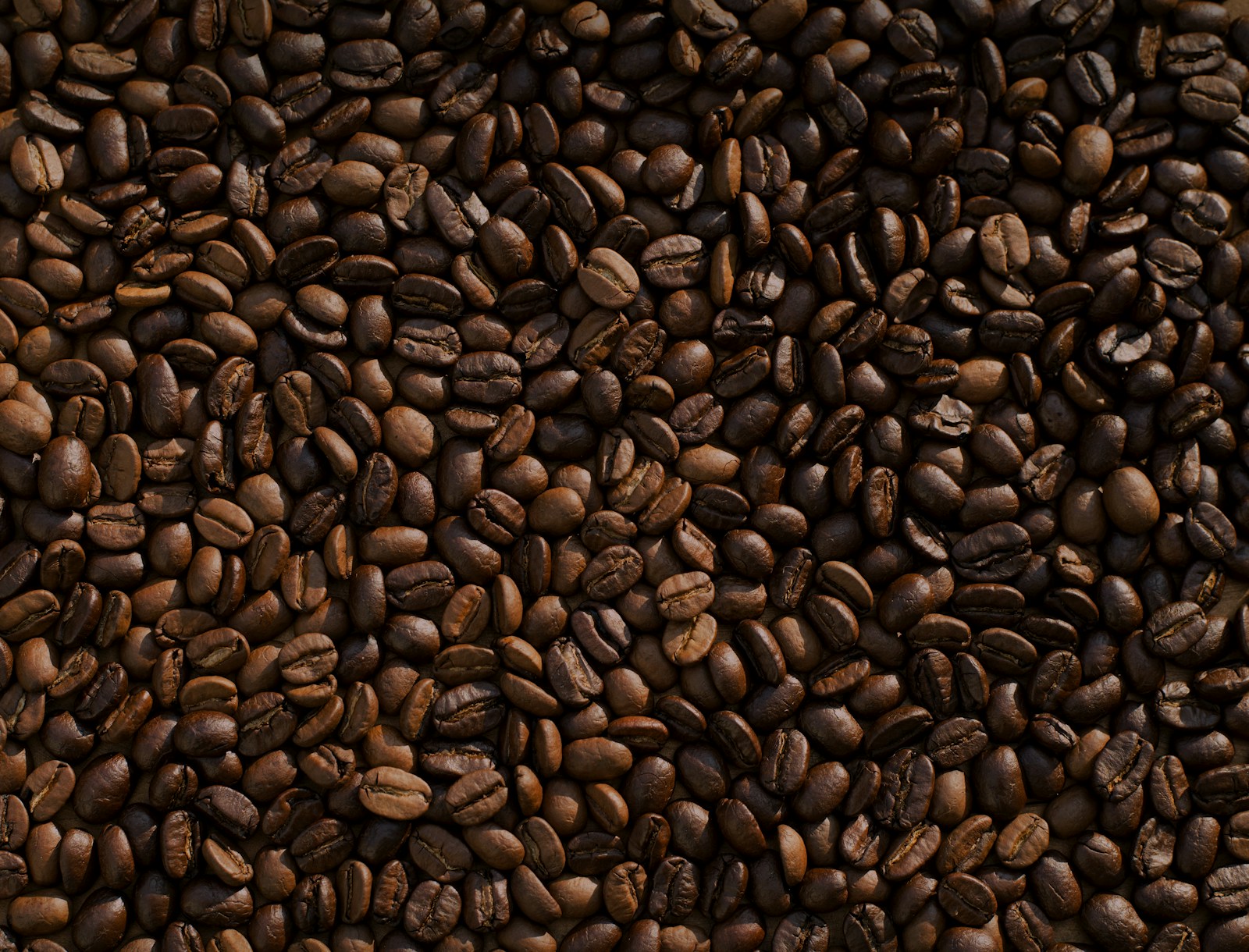
In the highlands of southern Ethiopia, where wild coffee trees still grow untended between teff fields and eucalyptus groves, there is a valley that the rest of the world has been trying to recreate ever since.
The Yirgacheffe woreda sits at roughly 1,700 to 2,200 meters above sea level in the Gedeo Zone of the Southern Nations, Nationalities, and Peoples' Region. To say it produces good coffee is like saying Burgundy produces decent wine. It misses everything that matters.
Coffee was not cultivated here. It was discovered here — or more precisely, it was already here, growing wild in the forest understory long before any farmer decided to tend it. Ethiopia is the only country in the world where coffee grows naturally in the wild. Yirgacheffe is its heart.
What the Altitude Does
At 1,800 meters, the air is thin and the nights are cold. Coffee trees slow their growth, and the cherry takes longer to ripen. That extended development window is everything. It's the difference between a fruit that is merely sweet and one that is complex — one that has had enough time to build the organic acids, the floral aromatics, and the layered sugars that make Yirgacheffe cups taste less like coffee and more like a jasmine-scented tea with a bergamot finish.
The altitude doesn't just slow the cherry. It teaches it patience. And patience, in fruit, is flavor.
The volcanic red clay soils contribute too. They hold moisture without waterlogging, drain freely in the afternoon rains, and are rich in the minerals that feed a plant trying to produce something extraordinary. There are regions with similar altitude and similar soil elsewhere. None of them taste like Yirgacheffe. The combination is unrepeatable.
The Washed Process
Most of what we roast from Yirgacheffe is washed — sometimes called "wet process." After harvest, the cherry is depulped within hours, then fermented in tanks for 36 to 72 hours to loosen the remaining mucilage, then washed clean with water and laid out to dry on raised beds for 2 to 3 weeks.
The effect on the cup is clarity. You taste the bean itself — the terroir, the variety, the altitude — without the interference of the fruit sugars fermenting slowly against the seed. Washed Yirgacheffe is a transparent cup. What you're getting is as close to the ground as coffee can take you.
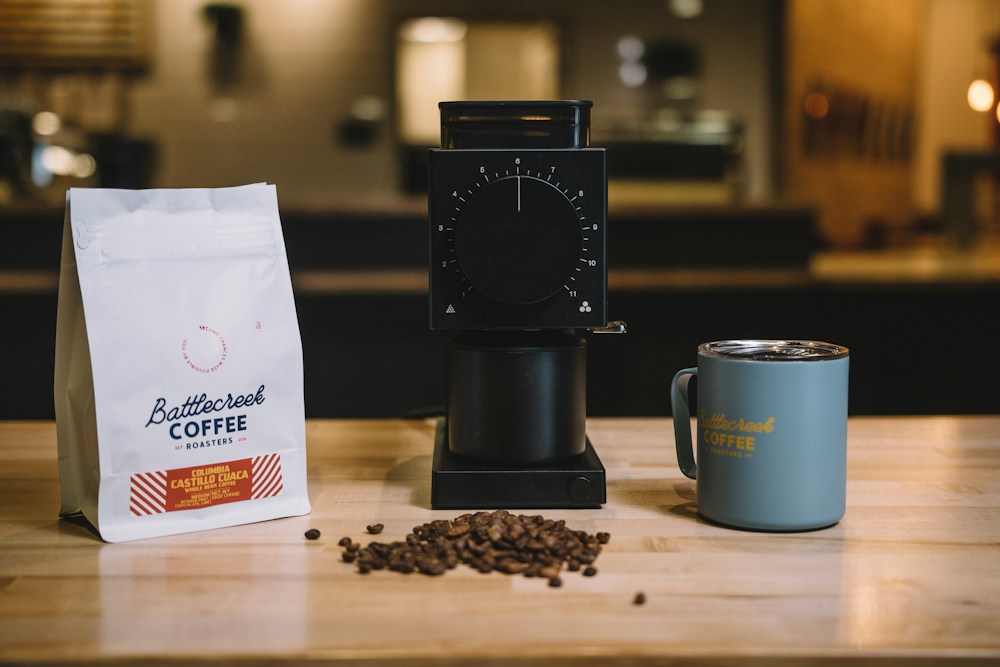
What You're Tasting in Your Cup
When we open a fresh bag of our Yirgacheffe and you catch that first aroma before the pour — that floral, almost soapy sweetness cut through with citrus — you are smelling a compound called linalool, the same terpene responsible for the scent of lavender and bergamot. It is produced in the coffee plant as a defense against insects at altitude. You benefit from the plant's paranoia.
In the cup, expect jasmine and black tea on the nose, a bright lemon or stone fruit acidity on the first sip, and a long, clean finish that lingers without bitterness. A well-brewed Yirgacheffe at our roast level should leave almost no astringency. It should feel like it was made for your tongue specifically.
Every cup of Yirgacheffe is a geography lesson delivered through taste. The altitude, the soil, the slow ripening — all of it is there, if you're paying attention.
That's what we mean when we say sourcing is everything. We are not selecting a commodity. We are selecting a place, a season, and a set of decisions made by farmers at 2,000 meters who have been making those decisions — or watching their parents make them — for generations.
Why We Come Back to It
We have tried coffees from dozens of origins. We come back to Yirgacheffe because it is irreducible. You cannot fake it, cannot approximate it from another latitude, cannot replicate its specific combination of forest-grown genetics, volcanic soil, altitude, and process. It is itself. Completely.
That's a rarer thing than it sounds. Most products, even excellent ones, exist in a category. Yirgacheffe is a category of one.